

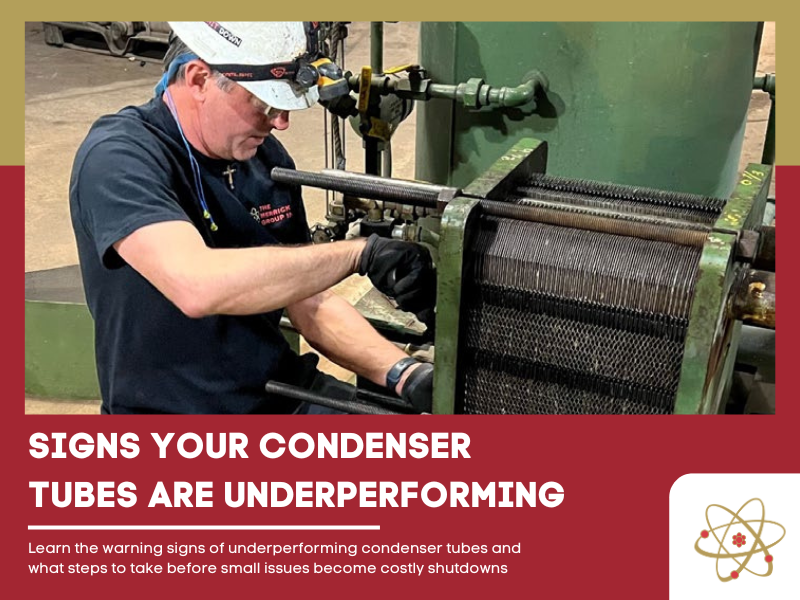
Condenser tubes are among the most performance-critical components in any power-generating facility. When they are clean and operating at design capacity, the entire steam cycle runs as intended. When fouling begins to accumulate, the consequences extend well beyond the tubes themselves: heat transfer efficiency falls, turbine backpressure climbs, fuel consumption rises, and the probability of an unplanned outage increases with every operating day.
Most facility owners and plant managers do not discover condenser tube problems until those problems have already produced measurable financial losses. Knowing what to look for is the difference between a routine planned cleaning and an unscheduled shutdown that disrupts operations and strains maintenance budgets.
Get a Quote for Condenser Tube Cleaning Services
Why Condenser Tube Performance Directly Affects Your Bottom Line
In nuclear, fossil fuel, and thermal power plants, the condenser converts exhaust steam back into feedwater after it passes through the turbine. The efficiency of that heat exchange process has a direct and measurable impact on plant output and operating cost.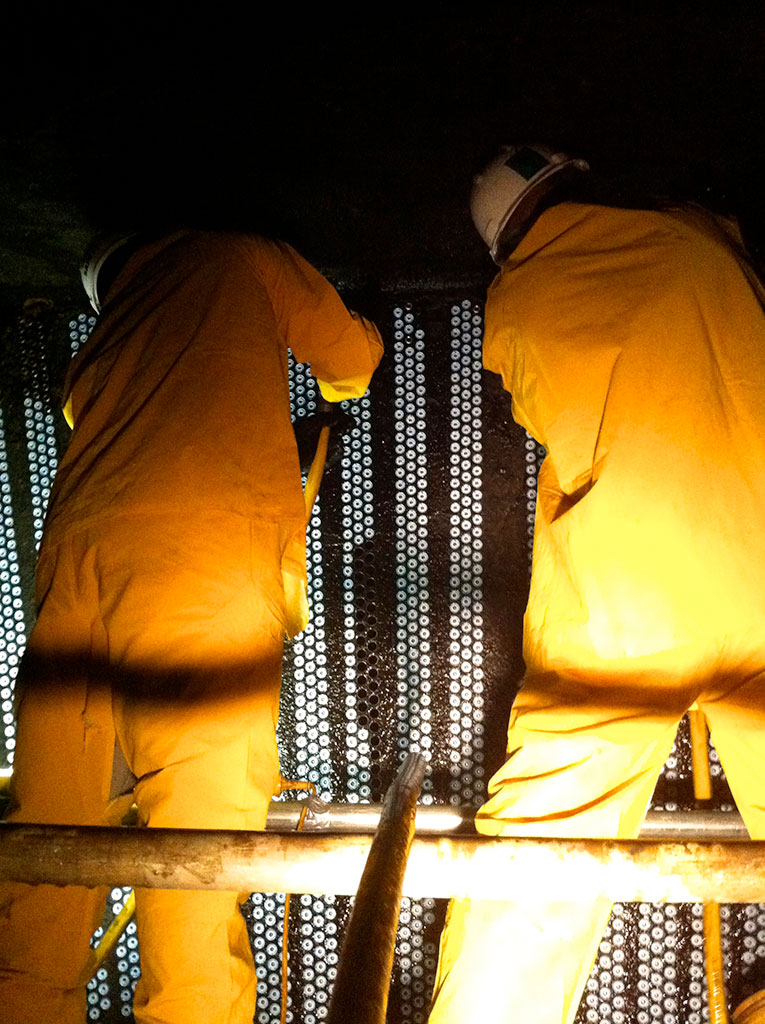
Condenser tubes are the primary heat transfer surface in that process. When deposit buildup reduces the effective thermal conductivity of those tubes, the steam side of the condenser runs warmer than designed. Turbine exhaust pressure rises. The turbine produces less power from the same steam flow. The plant burns more fuel to meet load demand.
Industry benchmarks consistently show that even a modest rise in condenser backpressure reduces turbine output efficiency by 1 to 3 percent. At the scale of a commercial power plant, that efficiency loss translates to substantial fuel cost and reduced generation revenue across a full operating cycle.
7 Warning Signs Your Condenser Tubes Are Underperforming
Facility managers who monitor plant performance data regularly will recognize these indicators. Each one warrants investigation. When several appear together, condenser tube fouling or degradation is almost certainly a contributing factor.
1. Rising Turbine Backpressure
A sustained upward trend in turbine backpressure is the most direct operational signal of condenser degradation. When cooling water conditions are normal but backpressure continues to climb over weeks or months, fouled condenser tubes are among the first causes to evaluate. Deposit accumulation on tube walls reduces heat transfer, leaving steam-side temperatures elevated and creating the backpressure that erodes turbine efficiency.
2. Elevated Condenser Outlet Water Temperature
Clean condenser tubes produce a predictable temperature rise between inlet and outlet cooling water. When that differential narrows without a corresponding change in cooling water flow or inlet temperature, it indicates that the heat transfer surface is compromised. Fouling deposits act as thermal insulation, preventing the cooling water from absorbing heat at design rates.
3. Increased Cooling Water Flow Required to Maintain Performance
When control room personnel compensate for declining condenser performance by increasing cooling water flow rates, the underlying problem is not being addressed. The plant is consuming additional pumping energy to offset fouling losses. This approach buys time but compounds inefficiency. It is a reliable operational indicator that a cleaning is overdue.
4. Unexpected Increases in Heat Rate
Heat rate, the quantity of fuel required to produce one unit of electrical output, is a fundamental plant efficiency metric. When heat rate increases without changes in fuel quality or dispatch load, condenser fouling belongs on the short list of causes. A fouled condenser forces the plant to consume more fuel to achieve the same generation output, and that cost accumulates continuously until the fouling is removed.
5. Visible Biological Growth or Scale in Cooling Water Systems
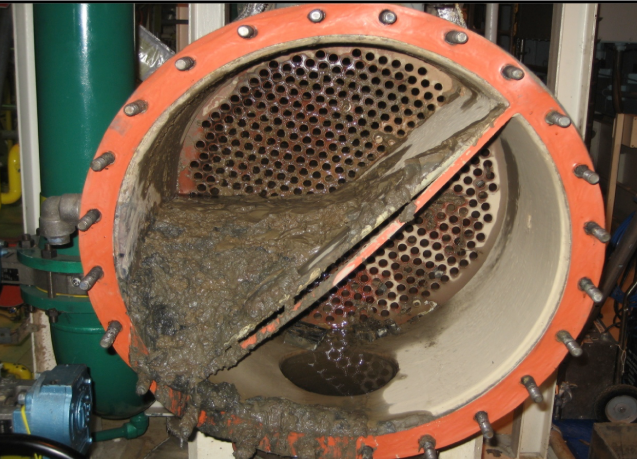
Facilities that draw cooling water from surface sources such as rivers, lakes, or coastal intakes face ongoing biological fouling risk. Zebra mussels, barnacles, algae, and biofilm colonies colonize cooling water infrastructure and tube interiors, reducing the active heat transfer area and restricting flow. Visible growth in accessible system components is a reliable indicator that condenser tube interiors may be experiencing similar colonization.
6. Tube Plugging or Isolation Becoming More Frequent
Professional eddy current testing results that require plugging a growing number of tubes each outage cycle indicate that condenser tube degradation is accelerating. Every plugged tube reduces the total available heat transfer area, further degrading condenser performance. When plugging rates trend upward, a comprehensive inspection and cleaning program is needed, along with a formal assessment of whether retubing should be incorporated into the next planned outage.
7. Declining Performance Between Scheduled Outages
A condenser that degrades faster between outages than it did during prior operating cycles is signaling that the current cleaning frequency is no longer adequate for actual fouling conditions. Shifts in cooling water source quality, seasonal biological activity, or changes in plant load profile can all reduce the effective service interval between cleanings. When the rate of decline accelerates, cleaning intervals need to be adjusted accordingly.
Get a Quote for Condenser Tube Cleaning Services
What Causes Condenser Tube Fouling?
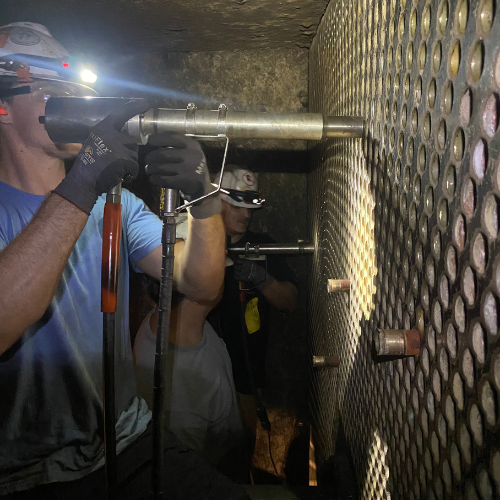
Selecting the correct cleaning method depends on accurately identifying the fouling type present. The most common categories are:
- Biological fouling: Macrofouling organisms including mussels, barnacles, and aquatic life, as well as microfouling in the form of biofilm, algae, and bacterial slime
- Mineral scale: Calcium carbonate, iron oxide, and silica scaling driven by water chemistry and temperature
- Silt and sediment: Suspended particulate matter introduced through open-loop cooling water systems
- Corrosion byproducts: Iron oxides and other deposits produced by tube wall degradation over time
- Oil and process contamination: Hydrocarbon or chemical contamination in facilities where cooling water may contact process streams
High-pressure hydroblasting is the preferred method for biological fouling. Mineral scale often requires a combination of mechanical and chemical cleaning. Silt and soft deposits respond well to tube lancing. Applying the wrong method leaves fouling partially intact and shortens the effective interval before performance degrades again. Experienced industrial cleaning contractors match the method to the material, which is why generalist maintenance crews routinely fall short on condenser cleaning assignments.
The Hidden Costs of Waiting
Condenser tube problems do not stabilize on their own. A fouling issue that can be resolved through a standard cleaning today will require significantly more resources to address if it is allowed to progress. The financial exposure compounds in several distinct ways:
- Ongoing efficiency losses: Heat rate degradation and increased fuel consumption continue around the clock for as long as fouling remains in place. Over a full operating cycle, these losses are substantial.
- Accelerated under-deposit corrosion: Deposit accumulation creates localized electrochemical cells that attack tube walls at rates far exceeding general corrosion. Tubes that might otherwise provide decades of service can reach failure thresholds in a fraction of that time when deposits are present.
- Unplanned outage costs: A tube failure that forces an emergency shutdown generates emergency mobilization costs, expedited procurement, lost generation revenue, and potential regulatory notification obligations. These costs consistently exceed the cost of a planned cleaning by an order of magnitude.
Regulatory exposure: For nuclear facilities, equipment degradation that was not addressed through a documented, proactive maintenance program can draw NRC scrutiny and require corrective action documentation that affects future outage planning.
What to Do Before It Becomes a Bigger Problem
Step 1: Schedule an Eddy Current Inspection
Before cleaning, know what you’re dealing with. Eddy current testing provides a non-destructive, tube-by-tube assessment of wall thickness, corrosion, pitting, and defects. This data tells you not just which tubes need cleaning, but which tubes are approaching failure thresholds and may need to be plugged or scheduled for retubing.
Step 2: Get a Professional Condenser Tube Cleaning
DIY or generalist cleaning crews rarely achieve the level of thoroughness that power plant condensers require. Certified industrial cleaning specialists use the right combination of high-pressure hydroblasting, tube lancing, and specialized tooling to restore tubes to near-original condition — maximizing heat transfer efficiency heading into your next operating cycle.
Step 3: Address Any Tubes Requiring Plugging or Retubing
Based on ECT results, tubes that have reached or exceeded wall loss thresholds should be plugged or evaluated for retubing. Plugging is a short-term measure; if a significant percentage of your tube bundle is compromised, a full condenser retubing is often the most cost-effective long-term solution — restoring full heat transfer capacity and extending condenser service life by decades.
Step 4: Establish a Proactive Cleaning Schedule
The most efficient plants don’t wait for performance data to degrade before cleaning. They establish regular cleaning intervals — often tied to planned outage windows — that prevent fouling from reaching efficiency-impacting levels in the first place. An experienced industrial cleaning contractor can help you determine the optimal cleaning frequency for your specific cooling water conditions and operating profile.
Why Power Plants Trust The Merrick Group for Condenser Tube Services
The Merrick Group has served nuclear and fossil fuel power plants for decades, providing condenser tube cleaning, eddy current testing, tube plugging, and full retubing services as part of planned spring and fall outage programs. Our certified crews operate under the safety protocols and documentation requirements that regulated power facilities demand, and we consistently deliver on schedule within established outage windows.
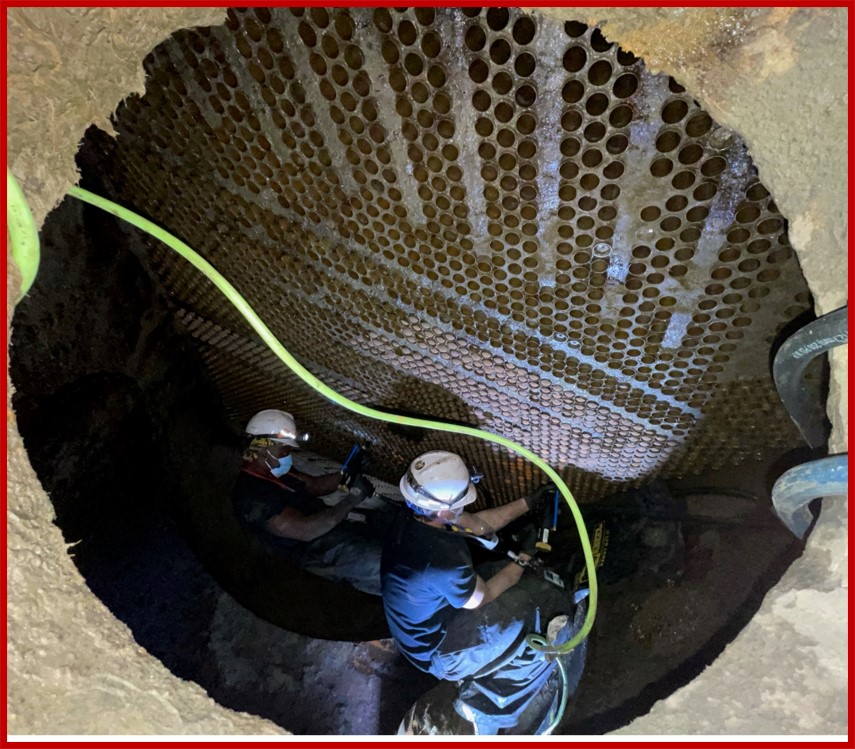 Our condenser tube service capabilities include:
- High-pressure hydroblasting and tube lancing for all fouling types and tube configurations
- Eddy current testing with Level I, II, and III certified NDE technicians
- Tube plugging and complete condenser retubing services
- Full inspection reporting and maintenance documentation for regulatory and internal records
- Outage coordination support to integrate cleaning and inspection with your maintenance schedule
The Merrick Group serves nuclear power plants, fossil fuel and thermal generating facilities, pharmaceutical manufacturing, and other industrial clients. Our crews are deployable nationwide and internationally.